
Aaron Rai: The Quiet Craftsman of Precision Golf
By: Patrick Stephenson
In an era when professional golf often celebrates speed, swagger, and spectacle, Aaron Rai has built his reputation in a very different way. He is not the loudest player on the range, nor the flashiest name on a leaderboard. But over time, through patience, precision, and an uncommon level of discipline, Rai has become one of golf’s most respected grinders — a player whose story is as thoughtful as his game.
Rai was born in Wolverhampton, England, and turned professional in 2012 at just 17 years old. His path was anything but the standard modern route. He did not play college golf in the United States, nor did he arrive on tour with the spotlight that often follows elite amateur prospects. Instead, Rai chose the harder climb: turning pro as a teenager, learning the game on developmental tours, taking on long travel weeks and smaller purses, and earning each promotion through results rather than reputation. His rise was gradual, but it was built on something lasting — patience, discipline, and the ability to keep improving without needing much attention.
His background has always been part of what makes his journey compelling. Rai comes from a family of Indian and Kenyan heritage, and his rise in golf was shaped by sacrifice, humility, and support at home. Stories about his family’s commitment to his development have become part of his identity. His father played a major role in helping him pursue the game, and Rai has often carried that sense of appreciation into the way he handles himself on and off the course.
Long before he became a PGA TOUR winner, Rai was known for his obsessive work ethic. One of the best early examples came when he was 15 years old and reportedly holed 207 consecutive putts from 10 feet, breaking the Lee Westwood World Puttmaster record. It was the kind of achievement that sounds almost unbelievable, but it perfectly fits the profile of Rai: repetitive, focused, disciplined, and willing to do the quiet work when no one is watching.
His professional climb began on developmental tours. Rai won on the PGA EuroPro Tour in 2015, then made a major leap in 2017 on the Challenge Tour, where he won three times. That season changed the trajectory of his career and earned him promotion to the DP World Tour. From there, he continued to prove that his game could travel.
His first DP World Tour victory came at the 2018 Honma Hong Kong Open, where he went wire-to-wire and held off a world-class field. In 2020, he added another significant title at the Scottish Open, defeating Tommy Fleetwood in a playoff. Then, in 2025, Rai captured the Abu Dhabi HSBC Championship, again beating Fleetwood in a playoff, giving him a third DP World Tour victory and another Rolex Series title.
For American golf fans, Rai’s breakthrough came at the 2024 Wyndham Championship. With rounds of 65-65-68-64, he finished at 18 under par and earned his first PGA TOUR win. It was not a victory built on overpowering a golf course. It was classic Rai: accurate, patient, clean, and composed. It came after a string of top finishes, so it was no surprise to devoted golf fans, but to the casual fan, this was Rai’s coming-out party.
Just a couple of weeks ago, Rai reached the defining moment of his career at the 2026 PGA Championship at Aronimink. In a final round packed with contenders, he closed with an explosive 65, pulled away late, and won by three shots to capture his first major championship. The victory does more than add a major title to his résumé; it changes the way the golf world sees him. Rai is no longer simply a respected, accurate, quietly consistent tour professional. He is a major champion. And fittingly, it does not feel like a one-week surprise as much as the reward for years of steady climbing, patient work, and belief in a game built on precision.
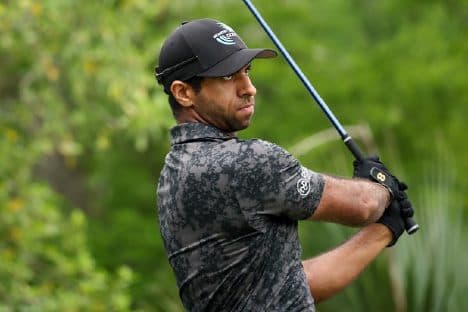
Of course, Rai is also known for a few unique traits. He wears two black gloves, a habit that began during cold-weather golf in England and simply stayed with him. He also uses iron covers, a detail that has become one of his trademarks, and he has drawn attention for keeping an older TaylorMade M6 driver in play rather than constantly chasing the newest model. In a game where players obsess over image, trends, and the latest equipment releases, Rai’s choices feel refreshingly personal. They point back to practicality, loyalty, and respect — respect for the clubs, for the opportunity, and for the people who helped him get there.
Stylistically, Rai is a model of control. He is not trying to win tournaments with brute force. He plays with accuracy, discipline, and an understanding of his strengths. Recreational golfers can learn a lot from that. Most players would improve faster by copying Rai’s patience than by chasing another 10 yards. He reminds us that golf is not only about how far you can hit it, but how often you can make the smart decision, repeat a reliable motion, and stay committed when the round gets uncomfortable.
That may be what makes Aaron Rai so easy to respect. His journey has never felt rushed or manufactured. It has been built piece by piece, through quiet persistence and steady improvement. In a sport that often rewards boldness, Rai has shown that there is still great power in humility, preparation, and precision.